Essential guide

How to choose a quality omega-3 supplement

The label says 'omega 3' but what matters is the dose of EPA and DHA, not 'fish oil.' These are the 5 criteria that separate an omega 3 that works from one that doesn't.

EPA + DHA, not 'fish oil'

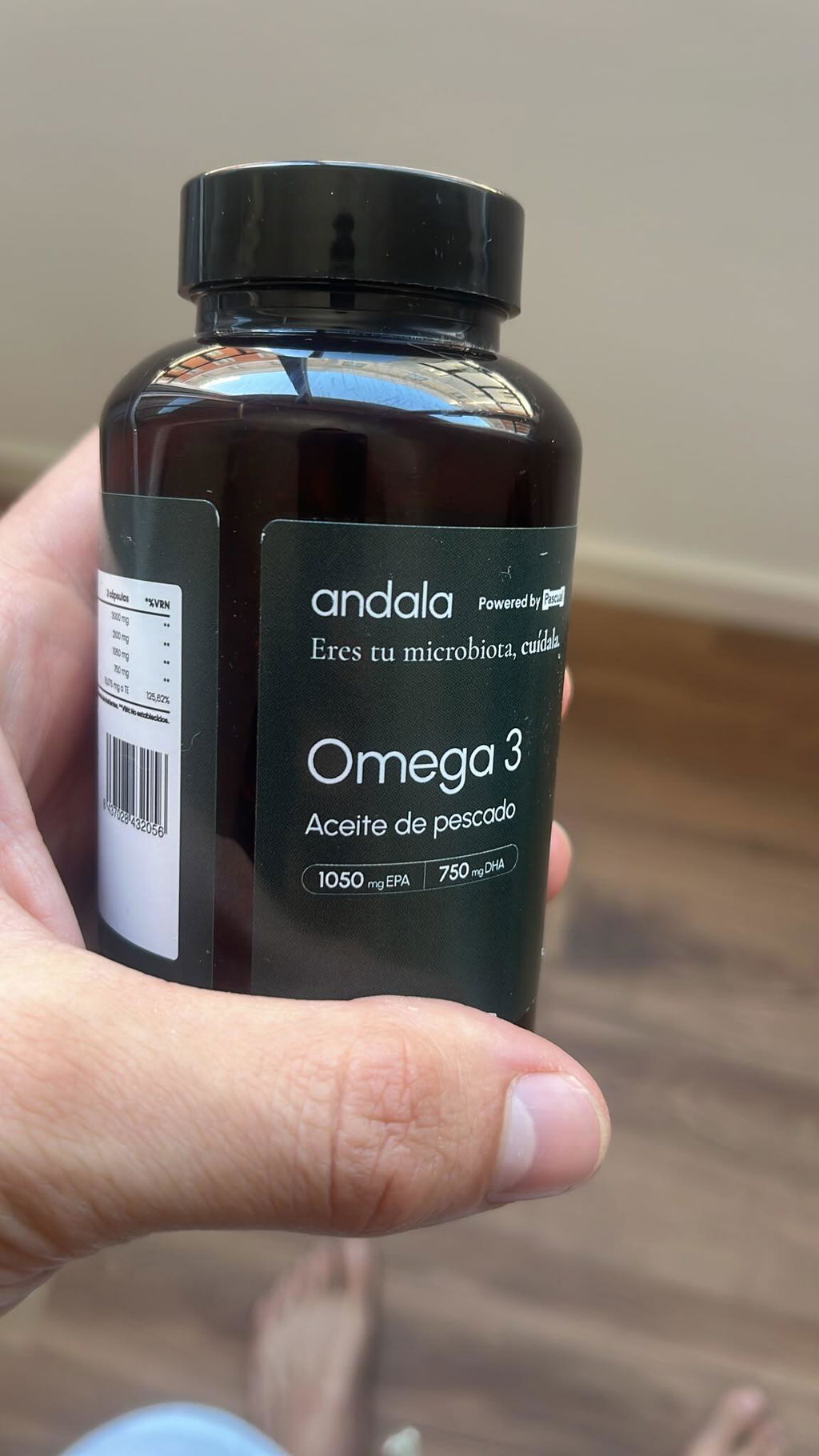
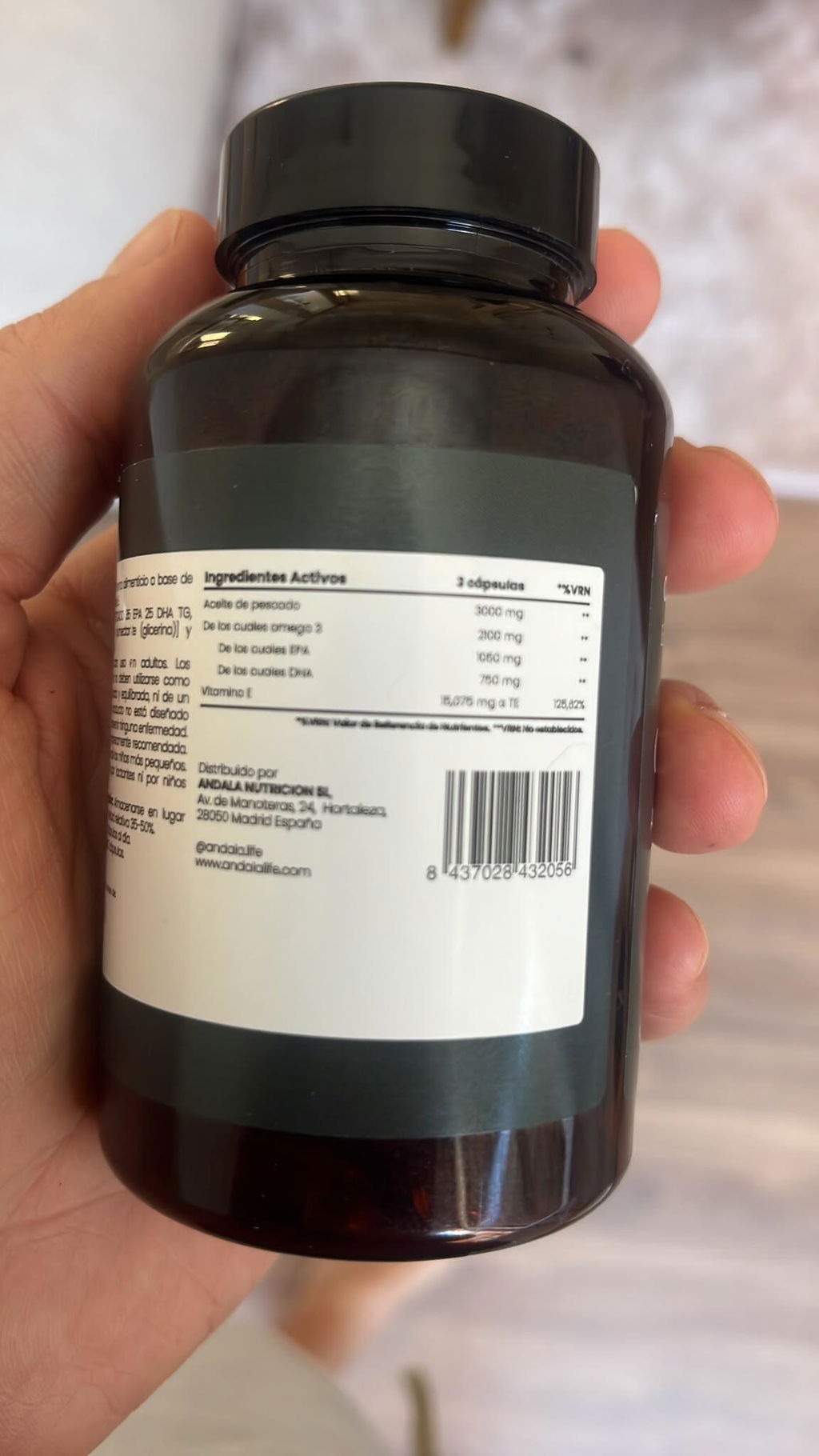
A bottle might contain 1,000 mg of fish oil but only 300 mg of EPA and DHA (the market standard of 30%). What matters is the dose of active fatty acids, not the total weight of the oil. andala provides 1,050 mg of EPA and 750 mg of DHA per daily dose, with a 70% concentration: double the active ingredients with the same number of capsules.

The EPA/DHA ratio matters depending on the objective

EPA has greater direct anti-inflammatory activity and is a precursor to resolvins. DHA is the structural component of the central nervous system (40% of brain lipids). A 1,050/750 ratio in favor of EPA covers both the systemic inflammatory front and neuronal function, without sacrificing either.

Molecular form: Triglyceride (TG) vs. Ethyl Ester (EE)

Fish oil is sold in two molecular forms: ethyl ester (EE) and triglyceride (TG). EE is cheaper to produce and dominates the low-cost market. TG is the natural structure in which fish store their fatty acids: the intestine recognizes and absorbs it directly, without additional conversion. Comparative studies estimate up to 50% higher bioavailability for the TG form compared to EE. Andala's Omega 3 is formulated in triglyceride (TG) form.

Vitamin E is not just for looks

Fish oil is highly susceptible to oxidation. Oxidized oil not only loses effectiveness, but it also generates compounds that are harmful to health. Vitamin E (tocopherol) is the standard antioxidant used to protect omega-3 from lipid peroxidation. It also eliminates the typical omega-3 regurgitation: oxidized oil is the main cause of the fishy aftertaste.

Purity and absence of contaminants

Fish oil can concentrate heavy metals such as mercury, dioxins, and PCBs present in the sea. The molecular purification process (molecular distillation) is the standard that removes these contaminants while keeping the fatty acids intact. This is why a quality supplement is not only more effective than cooked fish in terms of consumption frequency: it is also safer in the long term.

Who it's for

Do you have chronic low-grade inflammation without knowing it?

The Western diet has an omega-6/omega-3 ratio of between 15:1 and 20:1. The optimal ratio for human physiology is 4:1 or less. Excess omega-6 (refined vegetable oils, ultra-processed foods) displaces omega-3 from cell membranes and continuously promotes the production of pro-inflammatory eicosanoids.

The result is chronic low-grade inflammation: joint pain, persistent fatigue, reactive skin, brain fog, increased susceptibility to infections, slow muscle recovery. It is not a diagnosable disease with a name. It is a systemic imbalance that affects the entire body.

Lifestyle · Silent inflammation

Omega 3 is for you if:

  • You eat fewer than 3 servings of oily fish per week
  • You experience frequent joint pain or morning stiffness
  • You notice brain fog, difficulty concentrating, or drops in cognitive performance
  • You exercise regularly and want to improve muscle recovery
  • You have reactive, dry, or inflammation-prone skin
  • You want preventive cardiovascular protection
  • You are in perimenopause or postmenopause: the drop in estrogen alters the microbiota and increases low-grade chronic inflammation. Omega-3 directly acts on this mechanism
  • You are following a protocol with D3+K2 and want to maximize the absorption of fat-soluble vitamins

Consult your doctor beforehand if:

  • You take anticoagulants: at high doses, omega-3 can enhance their effect
  • You have a fish or shellfish allergy
  • You are about to undergo surgery: omega-3 has an antiplatelet effect

The mechanism

How does it work?

Two fatty acids. Three coordinated mechanisms. Systemic anti-inflammation, neuronal structure, and microbial diversity — the lesser-known effect of omega-3.

Mecanismo  01

EPA: systemic anti-inflammation

EPA directly competes with arachidonic acid (omega 6) for COX and LOX enzymes, reducing the production of pro-inflammatory eicosanoids. In addition, it is the precursor to resolvins and protectins, molecules that not only curb inflammation but actively promote its resolution.

It also demonstrably lowers serum triglycerides, one of the most robust effects of omega-3 in clinical literature.

Mecanismo  02

DHA: neuronal structure and function

DHA makes up 40% of the lipids present in neuron membranes. It determines the fluidity of these membranes, which in turn affects the speed and efficiency of signal transmission between neurons.

A DHA-rich membrane is more fluid, flexible, and efficient for synaptic communication. DHA is also the precursor to neuroprotectins, molecules with a neuroprotective effect against oxidative damage.

Mecanismo  03

Omega 3 and the microbiota: the lesser-known effect

At therapeutic doses, EPA and DHA increase intestinal bacterial diversity and promote the growth of anti-inflammatory bacteria (Lactobacillus, Bifidobacterium, Akkermansia muciniphila).

The mechanism is twofold: omega-3 modifies the composition of bile acids reaching the colon and reduces intestinal mucosal inflammation, improving the environment for beneficial bacteria. This is a systemic effect that reinforces the action of probiotics and the work of DeBloat.

Detail · Shot with healthy fat

Usage Protocol

How to take it

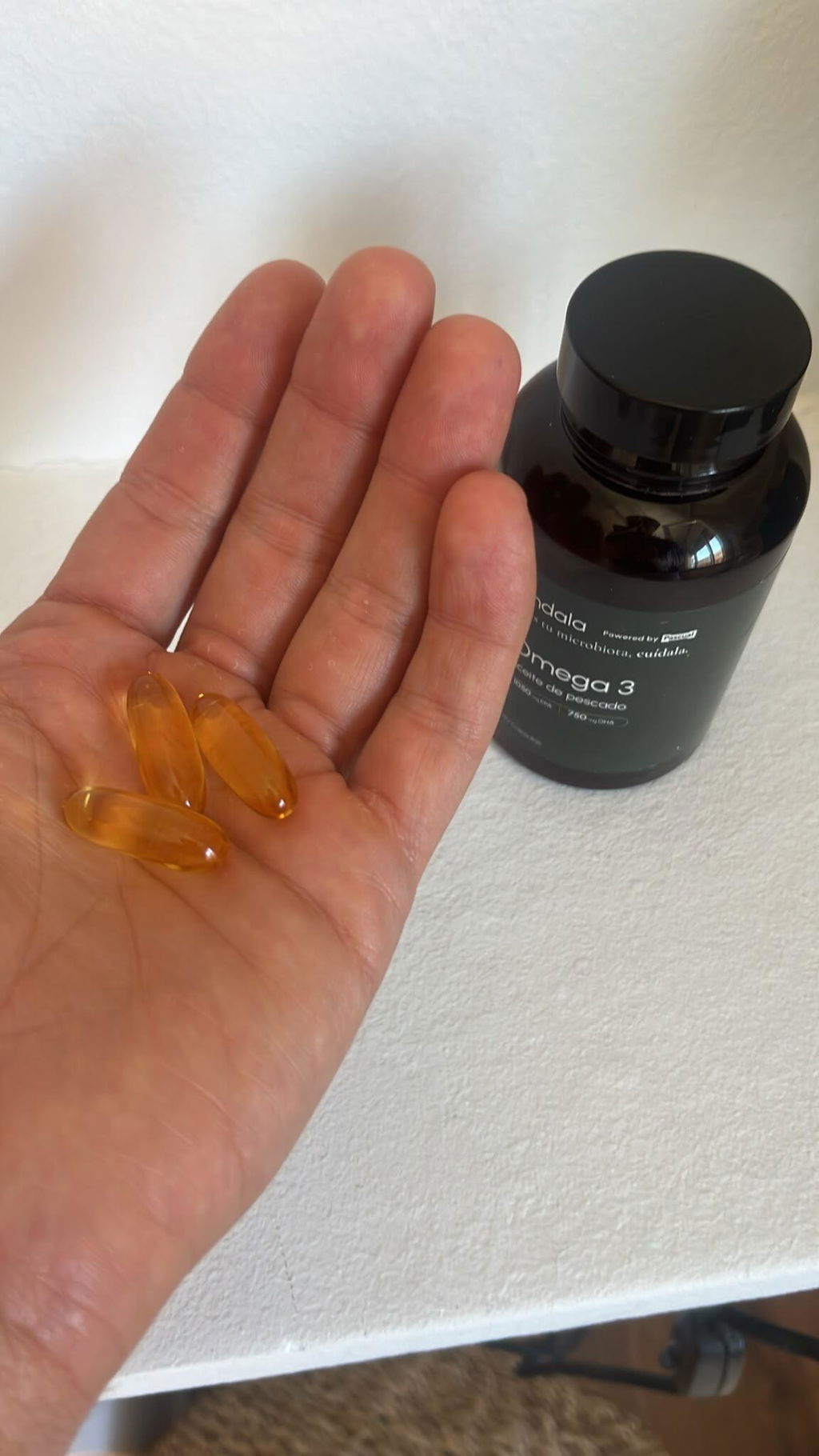
3 capsules daily with a main meal. The fat in the food significantly improves the absorption of fat-soluble omega-3 and almost completely eliminates the risk of burping or a fishy taste.

You can divide them: 1 at breakfast, 1 at lunch, and 1 at dinner, or take all 3 together at lunch. Both options are equivalent in terms of absorption.

The minimum recommended protocol is 90 days to consolidate the anti-inflammatory effects and the impact on the microbiota. The structural effects on cell membranes (DHA) are progressive and require continuous use.

If combined with D3+K2

Omega 3 improves the intestinal absorption of vitamin D3 as both are fat-soluble. Taking them together with the same meal is the most efficient combination.

If you combine it with DeBloat

DeBloat first repairs the intestinal barrier. A deflamed gut absorbs lipids better. DeBloat first, Omega 3 always.

What you're going to notice

What will you notice?

3-4 weeks
First visible signs
More hydrated and less reactive skin. Reduced joint stiffness. Omega 3 is incorporated first into the cell membranes of rapidly renewing tissues.
6-8 weeks
Mental clarity
DHA begins to be reflected in the fluidity of neuronal membranes. Perceptible improvement in concentration, processing speed, and resistance to mental fatigue.
60-90 days
Consolidated anti-inflammatory effect
EPA has displaced arachidonic acid in the membranes. The production of pro-inflammatory eicosanoids is reduced. Better post-exercise recovery, less joint pain, less chronic fatigue.
90 Days and Beyond
Microbiota and systemic effect
Increased gut bacterial diversity and growth of anti-inflammatory bacteria. Synergistic effect with DeBloat if used in combination. Reduced triglycerides in lab results.

Results are based on clinical studies of each ingredient. Individual results may vary.

Composition

What does each ingredient do?

Two fatty acids with distinct and complementary mechanisms. Plus an antioxidant that protects them and makes them effective.

The fatty acid with the most direct anti-inflammatory activity in the omega-3 spectrum. It competes with arachidonic acid (omega-6) for cyclooxygenase and lipoxygenase enzymes, reducing the production of pro-inflammatory prostaglandins and leukotrienes. It is the precursor to E-series resolvins, which actively trigger the resolution of inflammation (not just stop it).

Documented effects: reduction of serum triglycerides, modulation of mood-associated inflammation (depression/anxiety), endothelial protection, and improved post-exertion muscle recovery.

Clinical evidence

Mozaffarian and Wu (2011, Journal of the American College of Cardiology) – clinical review on omega-3s and cardiovascular health: reduction of triglycerides, blood pressure, and inflammatory markers.

Clinical evidence

Clinically Proven Results

Omega 3 is the supplement with the most clinical evidence in nutrition. These are the studies behind our formula.

EPA and Cardiovascular Health — Mozaffarian and Wu, JACC, 2011

↓ TGTriglycerides · Blood pressure

Systematic review of the accumulated evidence on omega-3 and cardiovascular health

Significant reduction in serum triglycerides, blood pressure in hypertensive patients, and systemic inflammation markers documented in accumulated clinical literature.

  • Significant reduction in serum triglycerides
  • Reduction in blood pressure in hypertensive individuals
  • Reduction in markers of systemic inflammation
  • Systematic review of accumulated evidence on omega-3 and cardiovascular health

DHA and cognitive function — Yurko-Mauro et al., Alzheimer's & Dementia, 2010

485Adults · 24 weeks

Randomized trial in older adults with subjective memory complaints

Significant improvement in episodic memory and working memory after 24 weeks of supplementation with 900 mg DHA daily.

  • Randomized trial, 485 older adults with subjective memory complaints
  • Significant improvement in episodic memory and working memory
  • 900 mg of DHA daily for 24 weeks

Omega-3 and Microbiota — Costantini et al., Nutrients, 2017

+ DIVBacterial diversity

Impact of omega-3 on intestinal microbiota composition

Increased intestinal bacterial diversity and growth of anti-inflammatory bacteria associated with a healthy microbiota.

  • Increased gut bacterial diversity
  • Increased Lactobacillus and Bifidobacterium
  • Reduction of bacteria associated with systemic inflammation

The results correspond to the clinical studies of each ingredient. Individual results may vary. Omega 3 is not a medicine or a substitute for medical treatment.

Andala Protocol

Recommended Combinations

Omega-3 acts on systemic inflammation and strengthens neuronal function. These products enhance or are enhanced by its effect.

Suplemento DeBloat Andala — combinación con Omega 3 EPA DHA de alta concentración

+ Pairs with

DeBloat

First reduce inflammation, then support

An inflamed intestine has poorer lipid absorption, including omega-3s. DeBloat repairs the intestinal barrier and reduces mucosal inflammation. The result is better omega-3 absorption and enhanced effects on the microbiota. DeBloat first, Omega-3 always.

Suplemento Vitamins D3 + K2 Andala — combinación con Omega 3 EPA DHA de alta concentración

+ Pairs with

D3+K2

The fat that maximizes the absorption of fat-soluble vitamins

Vitamin D3 is fat-soluble: it needs fat to be absorbed. Omega 3 fatty acids are the optimal vehicle for its intestinal absorption. In addition, both act on cardiovascular health from different angles and enhance each other.

Suplemento Cortisol Calm Andala — combinación con Omega 3 EPA DHA de alta concentración

+ Pair with

Cortisol Calm

Nerve inflammation and systemic inflammation

Chronic stress activates the systemic inflammatory response. Cortisol Calm reduces HPA axis-mediated inflammation and cortisol. Omega 3 reduces tissue inflammation. They act on the same problem through two complementary pathways.

Suplemento Triple Magnesium Andala — combinación con Omega 3 EPA DHA de alta concentración

+ Pairs with

Triple Magnesium

Muscle recovery and nervous system

Magnesium enhances the neuronal anti-inflammatory effect of omega-3 and is a cofactor in muscle relaxation. The combination is particularly relevant for active individuals: Omega-3 reduces post-exertion inflammation, Triple Magnesium supports muscle recovery and nighttime rest.

FAQ

Frequently asked questions

To reach a clinically relevant dose: 1,800 mg of combined EPA and DHA. Most studies showing real benefits on inflammation, lipid profile, and cognitive function use daily doses of between 1,500 and 2,000 mg of EPA+DHA. With 1 or 2 standard capsules on the market, these levels are not reached. Thanks to our 70% concentration, 3 capsules are sufficient without needing large capsules.

Disclaimer: The information on this page is for educational and informational purposes only. Supplements are not a substitute for a varied diet or medical treatment. Consult with a healthcare professional before starting any protocol if you have pre-existing diagnosed conditions.

Start your protocol

Real dose. Correct ratio. The omega-3 your body feels.

1,050 mg of EPA and 750 mg of DHA per daily dose. 90 days to consolidate the anti-inflammatory effect and impact on the microbiota.

Have questions? Message us →
Free shipping 24-48h Cancel whenever you want 30-day warranty